Mental health care is not limited to medicines and traditional forms of therapy. For many people, finding a comfortable way to express emotions and experiences can be an important part of the healing process. Art therapy brings creativity and mental health care together, providing individuals with an alternative way to explore their thoughts, feelings and personal experiences.
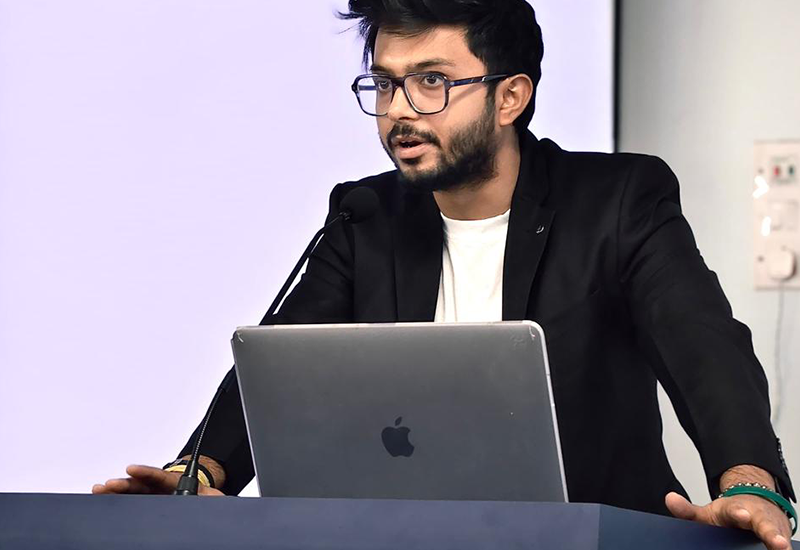
On 22nd February 2026, Dr. Suvayan Saha delivered a talk titled “Healing through Expression” at an Art Therapy Workshop. The session focused on the value of creative expression and its possible role in supporting emotional wellbeing and mental health.
Art can communicate feelings that are sometimes difficult to express through words. Drawing, painting, colouring and other creative activities can provide people with a safe space to explore their emotions. The goal is not to create perfect artwork or demonstrate artistic ability. Instead, the focus is on the experience of expressing oneself and understanding what those expressions may represent.
During an art therapy approach, a person may be encouraged to explore their thoughts and emotions through different creative activities. With appropriate professional guidance, these activities can help open conversations about feelings, personal experiences and emotional challenges. They may also encourage self-awareness and reflection.
Art-based approaches can be especially useful when verbal communication feels difficult. Children and adolescents, for example, may sometimes find creative activities easier than directly discussing their feelings. Adults can also benefit from having a calm and structured way to reflect on experiences, manage emotions and communicate concerns.
Dr. Suvayan Saha’s participation in the workshop highlights the importance of exploring different approaches to mental healthcare. Modern mental health support often considers the individual as a whole, including emotional, psychological and social factors. Creative approaches can sometimes complement counselling and psychotherapy as part of a broader, personalised care plan.
It is important to understand that art therapy is not simply an activity for relaxation or entertainment. When used as a therapeutic approach, it should be guided by trained professionals and adapted according to the individual’s needs. It should also not be considered a replacement for appropriate psychiatric or psychological treatment when such care is required.
The theme “Healing through Expression” reflects a simple but meaningful idea: sometimes people need a different language to communicate what they are experiencing. Creative expression can provide that language and may help create a bridge between emotions and meaningful conversation.
Workshops like this also contribute to greater awareness about mental health and encourage professionals to discuss different ways of supporting emotional wellbeing. They can help reduce the hesitation around seeking help and promote a more understanding approach to mental health concerns.
Dr. Suvayan Saha’s talk at the Art Therapy Workshop was an opportunity to share knowledge and encourage conversations around creativity, emotional expression and mental wellbeing. Such initiatives remind us that mental healthcare can involve many forms of support, with the individual’s needs always at the centre.