
Diabetes is often discussed in terms of blood glucose levels, medication, diet, and physical activity. However, managing diabetes involves much more than achieving target blood sugar levels. The emotional and psychological challenges associated with living with a chronic condition can also influence a person’s well-being and ability to manage their health. Recognising and addressing diabetes distress is an important part of a more holistic approach to diabetes care.
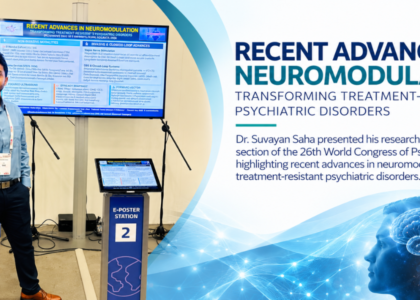
Dr. Suvayan Saha presented on the topic “Beyond Glycemic Control: Addressing Diabetes Distress to Optimise Patient Outcomes” at the 26th World Congress of Psychiatry in Stockholm, Sweden, held from 23 to 26 September 2026. The presentation highlighted the importance of considering psychological well-being alongside physical health when discussing diabetes management.
Understanding Diabetes Distress
Diabetes distress refers to the emotional burden associated with the ongoing demands of living with and managing diabetes. Regular monitoring of blood glucose, following treatment recommendations, making dietary adjustments, attending medical appointments, and worrying about possible complications can become overwhelming.
People experiencing diabetes distress may feel frustrated, anxious, exhausted, or discouraged by the constant demands of disease management. These feelings do not necessarily indicate a mental health disorder. Rather, they can reflect the challenges of managing a long-term medical condition.
Recognising this emotional burden helps healthcare professionals understand the patient’s experience beyond laboratory results and clinical measurements.
The Connection Between Mental and Physical Health
Emotional well-being and diabetes management are closely connected. Persistent distress may make it more difficult for individuals to maintain daily routines, follow treatment plans, engage in physical activity, or attend regular appointments.
At the same time, difficulties in managing diabetes can increase emotional strain. This relationship highlights why healthcare professionals should consider both physical and psychological factors when evaluating patient outcomes.
Blood glucose measurements remain important, but they do not tell the complete story of a person’s health. Understanding emotional challenges can provide valuable insight into the difficulties patients face during long-term treatment.
Recognising the Signs of Diabetes Distress
Possible signs include feeling overwhelmed by diabetes management, worrying constantly about complications, experiencing frustration with treatment routines, or feeling discouraged when health targets are not achieved.
Open conversations between patients and healthcare professionals can help identify these concerns. Asking patients how they feel about managing their condition can reveal challenges that may otherwise remain unnoticed.
A Supportive, Patient-Centred Approach
Addressing diabetes distress begins with listening, empathy, and clear communication. Healthcare professionals can help patients identify manageable goals, understand their treatment plans, and discuss practical barriers to self-care.
Where appropriate, collaboration between physicians, mental health professionals, and other members of the healthcare team can support more comprehensive care. Patients experiencing persistent emotional difficulties may benefit from a professional mental health assessment.
The aim is not to replace medical diabetes management but to complement it with attention to psychological needs.
Moving Beyond Numbers
The discussion at the World Congress of Psychiatry reinforces an important message: effective healthcare should consider the person behind the diagnosis. Physical health indicators are essential, but emotional well-being also deserves attention.
By recognising diabetes distress and encouraging compassionate, patient-centred care, healthcare professionals can help individuals navigate the challenges of living with diabetes. Integrating mental health awareness into chronic disease management represents an important step towards more informed and comprehensive patient care.