
Psychotropic medications play an important role in the management of many mental health conditions. However, prescribing these medicines requires careful clinical assessment, appropriate monitoring and a patient-centred approach. Safe prescribing is not simply about selecting a medication. It involves understanding the individual, evaluating risks and benefits, and ensuring that treatment remains appropriate over time.
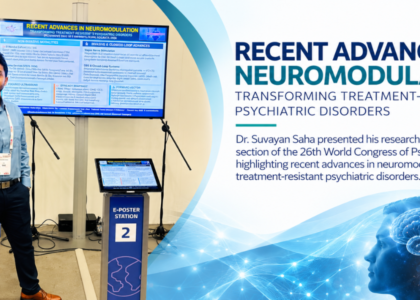
In his professional academic activities, Dr. Suvayan Saha has spoken on the importance of safe prescribing practices of psychotropics, highlighting the need for responsible and evidence-informed psychiatric care.
A thorough assessment is an important first step before prescribing any psychotropic medication. Mental health symptoms can have different causes, and treatment decisions should consider the person’s symptoms, clinical history, current medications, physical health and individual circumstances.
Medication selection should be based on the clinical needs of the individual. Psychotropic medicines can differ in their expected benefits, possible side effects, interactions and monitoring requirements. Therefore, treatment should be individualised rather than following a one-size-fits-all approach.
Safe prescribing also involves clear communication. Patients should understand why a medication has been recommended, how it is expected to help, and what potential side effects or concerns they should discuss with their treating professional. Encouraging patients to ask questions can support informed participation in their care.
Monitoring is equally important. A medication that is appropriate at the beginning of treatment may need to be reviewed as the person’s condition changes. Regular clinical follow-up allows the treating professional to assess response, tolerability, adherence and the continued need for treatment.
Another important aspect is avoiding unnecessary medication use. Psychotropic treatment should have a clear clinical rationale, with the potential benefits considered alongside possible risks. Where appropriate, medication may form part of a broader treatment plan that can include psychotherapy, counselling, lifestyle measures, family support and other interventions.
Safe prescribing is particularly important when individuals are taking multiple medicines, have other medical conditions, or require changes in their psychiatric treatment. Medicines should not be started, stopped or changed without appropriate medical guidance. Responsible psychotropic prescribing therefore combines clinical assessment, evidence-informed decision-making, patient education and ongoing monitoring. It reflects a broader principle of psychiatry: treatment should be thoughtful, individualised and focused on the person’s overall wellbeing.