
Suicide Prevention Month, observed every September, provides an important opportunity to talk openly about suicide, mental health and the importance of timely support. It is a time to encourage awareness, reduce stigma and remind people that mental health concerns deserve the same attention and care as physical health concerns.
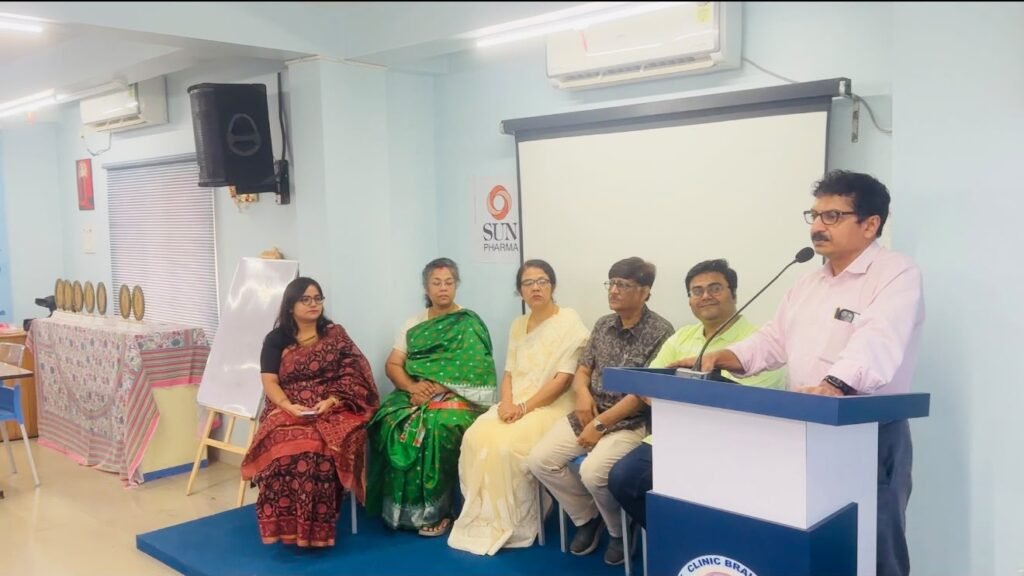
As part of a National Suicide Awareness Programme, Dr. Suvayan Saha participated in discussions focused on creating greater understanding around suicide prevention and mental health. Such programmes play an important role in bringing mental health conversations into communities and encouraging people to recognise when someone may be going through a difficult period.
One of the most important aspects of suicide prevention is creating an environment where people feel comfortable speaking about their emotional struggles. Many individuals may hesitate to share what they are experiencing because of fear of judgement, misunderstanding or stigma. A compassionate and non-judgemental conversation can be an important first step towards seeking appropriate help.
Awareness also involves understanding that changes in behaviour, mood, communication or daily functioning may sometimes indicate that a person is struggling. While no single sign can predict suicidal behaviour, noticeable changes should not simply be ignored. Listening patiently, showing concern and encouraging professional support can help connect someone with the care they may need.
Suicide prevention is not limited to responding when a person is in immediate crisis. It also involves building supportive communities, improving mental health awareness and making conversations about emotional wellbeing more normal. Families, friends, educational institutions, workplaces and healthcare professionals can all contribute to creating environments where people feel less isolated.
Professional mental health support can be particularly important when someone is experiencing persistent emotional distress, hopelessness, severe anxiety, depression or thoughts of self-harm. A qualified mental health professional can assess the situation and help determine appropriate next steps.
It is equally important to remember that suicide prevention requires sensitivity and responsible communication. Discussions should avoid blame, stigma or sensational descriptions. The focus should remain on understanding, compassion, safety and access to appropriate support.
The National Suicide Awareness Programme reflects the value of continuing these conversations beyond a single awareness month. Mental health awareness grows when people are willing to listen, learn and support one another.
Every conversation may not solve a person’s difficulties, but being present, listening without judgement and encouraging appropriate help can make a meaningful difference. By building a culture of openness and compassion, communities can work towards better mental health awareness and stronger support systems.