Organ transplantation is a major medical intervention that can transform a person’s health and expectations for the future. However, the journey does not end with the transplant procedure. Alongside physical recovery, patients may experience psychological, emotional and social challenges that can influence their overall wellbeing.
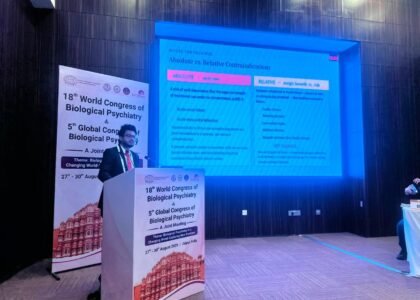
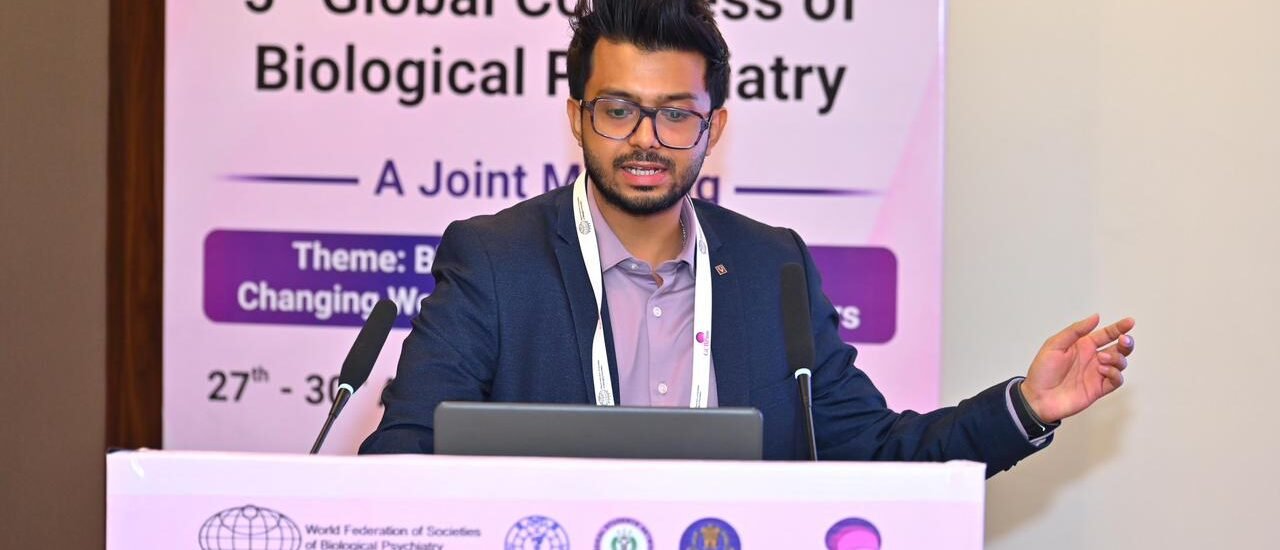
Dr. Suvayan Saha presented on “Organ Transplantation & Psychiatry: Biological, Psychological & Ethical Interfaces” at the 18th World Congress of Biological Psychiatry in Jaipur. The topic highlighted the important relationship between transplantation and mental health and the need to consider these aspects as part of comprehensive patient care.
The biological aspects of transplantation involve complex changes in the body and ongoing medical management. Following transplantation, patients may require long-term monitoring and treatment. These circumstances can bring uncertainty and adjustment challenges, making mental health an important consideration alongside physical healthcare.
The psychological dimension is equally significant. Receiving an organ transplant can bring hope and relief, but it can also involve concerns about health, recovery, treatment adherence and the future. The process of adapting to life after transplantation may therefore be complex and can vary from one individual to another.
Mental health professionals can contribute to understanding and addressing psychological concerns that may arise during different stages of the transplantation journey. A person’s emotional wellbeing, cognitive functioning, behaviour and ability to cope with ongoing medical care can all be relevant areas of clinical consideration.
The ethical dimension adds another important layer. Organ transplantation involves complex decisions and considerations around patient autonomy, informed decision-making, expectations and compassionate care. These issues require thoughtful discussion among healthcare professionals and should be approached with respect for the individual and their circumstances.
The topic also demonstrates why collaboration between different areas of healthcare is valuable. Transplantation involves multiple professionals, and mental healthcare can form an important part of a broader multidisciplinary approach when clinically appropriate.
Academic conferences provide an opportunity to explore these interconnected issues and exchange perspectives with professionals from different areas of medicine and psychiatry. Presenting and discussing such topics also supports continued learning and encourages clinicians to consider how emerging knowledge can be applied responsibly in clinical practice.
For Dr. Suvayan Saha, participation in the 18th World Congress of Biological Psychiatry represents continued academic engagement with evolving areas of psychiatric care. Discussions around organ transplantation and psychiatry highlight the importance of looking beyond physical outcomes and recognising the psychological and ethical dimensions of complex medical journeys.
A holistic approach does not mean treating every patient in the same way. Instead, it involves understanding the individual’s needs and considering physical, psychological and social factors together. Continued research, professional dialogue and multidisciplinary collaboration can contribute to more comprehensive approaches to mental healthcare in transplantation settings.